Sukha Wellness Home

Category

Ayurvedic Living

35 articles

The Three O'Clock Wall: Why Willpower Was Never the Answer

The Three O'Clock Wall: Why Willpower Was Never the Answer

The mid-afternoon energy crash is treated as a personal failing to be caffeinated away, but Ayurveda's daily rhythm suggests it is a message, not a malfunction. Here is what the body is actually asking for between lunch and home time.

Endurance Is Not a Virtue: What Stoic Britain Is Doing to Your Digestive Intelligence

Endurance Is Not a Virtue: What Stoic Britain Is Doing to Your Digestive Intelligence

Britain's celebrated capacity for endurance has long been mistaken for strength, yet Ayurveda reveals a more nuanced truth: the body that is perpetually overridden is not resilient—it is slowly losing its ability to communicate. When hunger, fatigue, and discomfort are routinely dismissed in the name of 'getting on with it', the digestive intelligence that governs our entire inner ecology begins to falter. This article examines what the stiff upper lip is truly costing the British body.

Sukha Over Scarcity: The Case for an Abundance-Based Approach to British Wellness

Sukha Over Scarcity: The Case for an Abundance-Based Approach to British Wellness

Britain's dominant wellness culture is built, paradoxically, on deprivation—restrictive eating, punishing exercise, and a persistent suspicion that anything pleasurable cannot also be good for you. Yet the Sanskrit concept of sukha, meaning ease and genuine well-being, proposes an entirely different foundation: that health flourishes not through punishment and denial, but through nourishment, rest, and the radical permission to thrive. This article argues that the scarcity mindset is not a path

When Grief Has Nowhere to Go: How Unspoken Loss Settles Into the British Body

When Grief Has Nowhere to Go: How Unspoken Loss Settles Into the British Body

In a culture that has long equated composure with strength, grief is rarely given adequate room to move through the body—and so, quietly, it stops moving at all. Ayurveda has understood for millennia that unexpressed emotion does not simply dissolve; it takes up residence in the tissues, altering the breath, the posture, and the functioning of the immune system. This article explores how stored grief manifests physically and what ancient wisdom offers by way of release.

Held Too Long: How Britain's Culture of Emotional Suppression Becomes a Body-Wide Health Crisis

Held Too Long: How Britain's Culture of Emotional Suppression Becomes a Body-Wide Health Crisis

Britain's deep-seated tradition of stoic endurance has long been mistaken for strength, yet ancient Ayurvedic medicine offers a sobering counterpoint: emotions that are never expressed do not simply disappear. They descend into the tissues, alter the doshas, and quietly erode the body's capacity for health. This article explores how unprocessed grief, anger, and sorrow become physiological burdens — and what somatic practices rooted in Ayurveda can do to release them before they harden into chro

What Your Wrist Already Knows: An Introduction to Pulse Reading as Preventative Health Literacy

What Your Wrist Already Knows: An Introduction to Pulse Reading as Preventative Health Literacy

Long before blood tests, imaging scans, or algorithmic health trackers, Ayurvedic physicians were reading the pulse of the radial artery with three fingers and extracting from it a detailed portrait of a person's constitutional state, dosha balance, and emerging imbalances. The practice, known as nadi pariksha, is one of the most refined diagnostic tools in traditional medicine. This article introduces British readers to the foundations of pulse reading — not as a replacement for conventional me

Starved of Sweetness: What Overscheduled British Childhoods Are Doing to the Body's Vital Reserves

Starved of Sweetness: What Overscheduled British Childhoods Are Doing to the Body's Vital Reserves

In Ayurvedic medicine, childhood is understood as the season of Kapha — a time defined by growth, sensory richness, and the slow, joyful accumulation of vital reserves that will sustain a person throughout life. Yet something has shifted in the way British children are spending their most formative years. Overscheduled, screen-saturated, and increasingly deprived of unstructured play, many children are arriving at adolescence already depleted. This article examines what ancient wisdom tells us a

It Takes a Village: Why Isolated Motherhood Is a Health Crisis Ayurveda Long Anticipated

It Takes a Village: Why Isolated Motherhood Is a Health Crisis Ayurveda Long Anticipated

Modern British motherhood has become an exercise in solitary endurance—a far cry from the communal care structures that ancient wisdom considered essential to maternal wellbeing. Ayurveda did not merely suggest that mothers need community; it built community into the architecture of recovery and vitality. This piece examines what has been lost, why it matters medically, and how to begin rebuilding it.

Ojas Under Siege: The Real Reason British Women Cannot Seem to Recover

Ojas Under Siege: The Real Reason British Women Cannot Seem to Recover

Britain has normalised a particular kind of exhaustion—one worn as a badge of competence and quietly destroying the body's deepest reserves. Ayurveda offers a framework that names this depletion precisely, and more importantly, offers a path back. Understanding ojas may be the most urgent health conversation British women are not yet having.

When the Weather Gets Into Your Gut: Eating for Britain's Damp, Cold Months

When the Weather Gets Into Your Gut: Eating for Britain's Damp, Cold Months

Britain's grey, wet winters are not merely uncomfortable—according to Ayurvedic principles, they present a specific and underappreciated challenge to digestive health. Excess cold and moisture suppress agni, the body's metabolic fire, in ways that seasonal eating can directly address. This guide draws on Ayurvedic wisdom and British ingredients to offer a practical, grounded approach to eating well when the weather conspires against it.

Wired and Weary: Restoring the Nervous System in an Age of Relentless Stimulation

Wired and Weary: Restoring the Nervous System in an Age of Relentless Stimulation

For many British women, the standard advice to 'just relax' lands as yet another item on an impossible to-do list. The nervous system conditioned by years of overstimulation does not simply power down on command. Ayurveda's approach to vata pacification and sensory grounding offers a more honest — and more effective — path to genuine calm.

Prana and the Productivity Trap: What Busyness Is Costing Your Vital Force

Prana and the Productivity Trap: What Busyness Is Costing Your Vital Force

Britain has built an entire cultural identity around being busy, yet the cost of this relentless pace is rarely counted in the currency that matters most: vital energy. Ayurveda offers a precise and ancient framework for understanding how compulsive doing depletes prana — and how to recover it without dismantling your life.

Skin Hunger: The Quiet Health Crisis Hiding in Plain Sight Across Modern Britain

Skin Hunger: The Quiet Health Crisis Hiding in Plain Sight Across Modern Britain

Touch is not a comfort we can do without — it is a biological necessity woven into the architecture of human health. As physical contact has diminished across British life, accelerated by years of pandemic restrictions and the creeping dominance of digital interaction, the consequences for nervous system function, immunity, and emotional resilience have been profound. Ancient Ayurvedic wisdom offers both an explanation and a remedy that modern medicine is only beginning to appreciate.

The Taste We Abandoned: Why Britain's Aversion to Bitterness Is Making Us Unwell

The Taste We Abandoned: Why Britain's Aversion to Bitterness Is Making Us Unwell

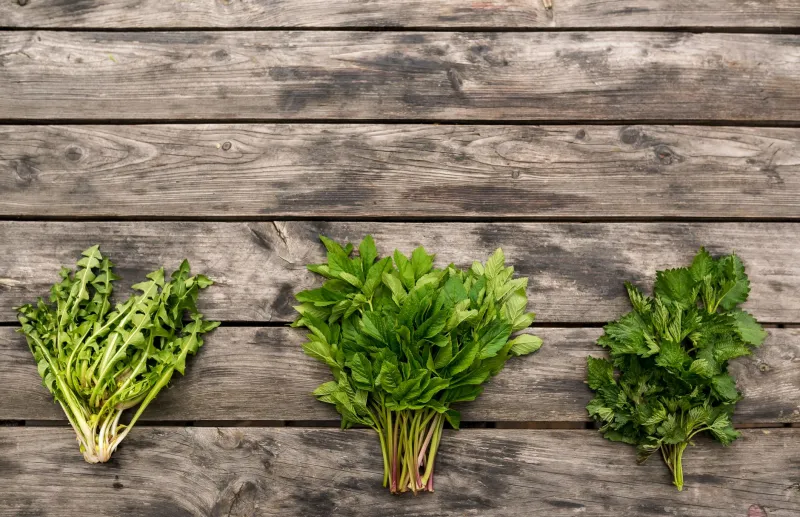
Of the six tastes recognised in Ayurvedic nutritional science, bitter is the one that modern British food culture has most systematically eliminated. Yet this is precisely the taste that the liver craves, that the gut requires for healthy bile production, and that the immune system depends upon for its first line of defence. Reclaiming bitterness — from the plate, the herb garden, and the apothecary — may be one of the most straightforward dietary interventions available to us.

What Your Skin Is Trying to Tell You: Reading Complexion as a Map of Inner Health

What Your Skin Is Trying to Tell You: Reading Complexion as a Map of Inner Health

In Ayurveda, the skin is not merely a surface to be treated but a living record of what is happening deep within the body. From persistent acne to stubborn eczema, every blemish and flush carries a message about constitutional imbalance. Understanding that language may be the most honest conversation you ever have with your own health.

Cooling the Ambitious Mind: How Pitta Imbalance Is Quietly Fuelling Britain's Burnout Crisis

Cooling the Ambitious Mind: How Pitta Imbalance Is Quietly Fuelling Britain's Burnout Crisis

Across Britain's most demanding industries, a silent physiological crisis is unfolding — one that Ayurveda identified millennia ago. The relentless drive for professional achievement is systematically inflaming Pitta dosha, producing not just exhaustion but a cascade of inflammatory conditions that conventional medicine struggles to address at their root. Understanding this ancient framework may offer the most coherent explanation yet for why so many high-achievers are quietly falling apart.

The Hidden Cost of Disconnection: What Ayurveda Teaches Us About Loneliness and Vital Force

The Hidden Cost of Disconnection: What Ayurveda Teaches Us About Loneliness and Vital Force

Britain is in the grip of a loneliness epidemic that public health bodies are only beginning to quantify. Yet Ayurveda, centuries before the language of social medicine existed, understood that human connection is not merely emotionally desirable but physiologically essential — and that its absence depletes the body's deepest reserves of vitality. The ancient concept of ojas offers a compelling framework for understanding why isolation makes us genuinely, measurably unwell.

Listening to the Body: How Ayurveda Validates What British Women Have Always Known About Their Health

Listening to the Body: How Ayurveda Validates What British Women Have Always Known About Their Health

For generations, British women have been told that their bodily experiences — the cyclical pain, the hormonal fluctuations, the exhaustion that defies explanation — are either exaggerated or simply the price of being female. Ayurveda, far from dismissing these experiences, built an entire branch of medicine around understanding them. As more women seek frameworks that honour rather than minimise their physiology, this ancient wisdom is finding a deeply resonant modern audience.

The Art of Growing Older: What Ayurveda's Life Stages Teach Us About Ageing with Intention

The Art of Growing Older: What Ayurveda's Life Stages Teach Us About Ageing with Intention

In a culture that treats ageing as a problem requiring correction, Ayurveda offers something genuinely countercultural: a framework in which each decade of life carries its own distinct gifts, requirements, and wisdom. For British readers navigating midlife and beyond, this ancient perspective may be among the most practically useful — and quietly liberating — ideas they encounter.

A Nation on Edge: Understanding Britain's Anxiety Crisis Through the Lens of Vata

A Nation on Edge: Understanding Britain's Anxiety Crisis Through the Lens of Vata

Anxiety has become one of the defining health challenges of contemporary British life, yet conventional frameworks rarely address its root causes with sufficient depth. Ayurveda's concept of Vata imbalance — the excess of air and ether elements driven by modern living — offers a remarkably precise diagnosis of our collective unease, along with practical, grounded remedies.

Movement as Medicine: Rediscovering Exercise Through the Ayurvedic Lens

Movement as Medicine: Rediscovering Exercise Through the Ayurvedic Lens

Modern fitness culture glorifies intensity, visible results, and relentless pushing — yet Ayurveda has long taught that the most healing movement is the kind that honours your body's unique constitution. For UK readers exhausted by gym culture's demands, this ancient framework offers a quieter, more sustainable path to physical wellbeing.

The Silent Fire Within: How Urban Stress Inflames the Body and What Ayurveda Prescribes

The Silent Fire Within: How Urban Stress Inflames the Body and What Ayurveda Prescribes

Chronic stress is no longer merely a psychological inconvenience — it is a measurable physiological process that accelerates cellular ageing, drives systemic inflammation, and lays the groundwork for serious long-term illness. For millions of urban professionals in Britain, the daily grind is quietly doing biological damage. Ayurveda identified the mind-body stress pathway millennia ago, and its prescriptions remain startlingly relevant.

Reclaiming the Night: Ancient Ayurvedic Rhythms for Britain's Sleep-Starved Generation

Reclaiming the Night: Ancient Ayurvedic Rhythms for Britain's Sleep-Starved Generation

Britain is in the grip of a sleep crisis, with millions of adults regularly falling short of the rest their bodies require. Conventional advice — from blue-light filters to melatonin supplements — frequently disappoints. Ayurvedic sleep science, refined over thousands of years, offers a more coherent and deeply personalised framework for understanding why we cannot rest, and how to change that.

Spring, Cleansing, and Common Sense: The Ayurvedic Case Against Extreme Detox Culture

Spring, Cleansing, and Common Sense: The Ayurvedic Case Against Extreme Detox Culture

Every spring, British consumers spend millions on juice cleanses, activated charcoal, and elimination diets that promise to 'flush toxins' — a claim that is simultaneously scientifically meaningless and commercially irresistible. True Ayurvedic seasonal cleansing is a different matter entirely: evidence-informed, physiologically coherent, and considerably less punishing than the wellness industry would have you believe.

The Kitchen as Pharmacy: Reclaiming Food as Medicine in an Age of Supplements

The Kitchen as Pharmacy: Reclaiming Food as Medicine in an Age of Supplements

The UK wellness industry generates billions of pounds annually selling bottled solutions to problems that, in many cases, could be addressed through thoughtful, informed eating. This piece examines why the Ayurvedic tradition of treating food as primary medicine offers a more coherent — and more honest — framework for health than the supplement-first culture that currently dominates. It includes practical guidance and recipes rooted in Ayurvedic food wisdom.

Agni and the British Belly: Rekindling Your Digestive Fire for Modern Life

Agni and the British Belly: Rekindling Your Digestive Fire for Modern Life

In Ayurveda, the health of your digestion is considered the very root of your overall vitality. Yet the particular rhythms of British life — from grey, damp winters to desk-bound routines and ultra-processed convenience foods — present unique challenges to maintaining a robust digestive fire. Here, we explore how ancient principles can be thoughtfully adapted to support gut health in a distinctly British context.

Rooted in Resilience: How Ayurvedic Adaptogens Can Sustain You Through a British Winter

Rooted in Resilience: How Ayurvedic Adaptogens Can Sustain You Through a British Winter

The long, dark months of a British winter exact a particular toll — on energy, mood, immunity, and mental clarity. Ayurvedic and Himalayan adaptogenic herbs, including ashwagandha, shatavari, and brahmi, offer a time-tested framework for building the kind of deep, systemic resilience that sees people through seasonal hardship. This guide explores how to source and use these plants wisely within a UK context.

Eating with the Seasons: Bringing Ayurvedic Wisdom to the British Table

Eating with the Seasons: Bringing Ayurvedic Wisdom to the British Table

Ayurveda has long taught that what we eat should reflect the world around us — the temperature of the air, the quality of light, and the produce the earth naturally offers. For those living in Britain, this ancient principle translates beautifully into the rhythms of our own harvest calendar. Discover how to nourish your body through each season using locally available ingredients and time-honoured Ayurvedic guidance.

Know Your Constitution: A British Guide to Living in Harmony with Your Ayurvedic Dosha

Ayurveda's ancient framework of three constitutional types — Vata, Pitta, and Kapha — offers profound insight into personal health, yet many in the UK struggle to apply this wisdom to their daily lives. From grey winter mornings to central-heated offices and the pressures of modern British working culture, understanding how your dosha expresses itself in this specific environment is the first step towards genuine well-being. This guide bridges the gap between timeless Ayurvedic knowledge and the